Successful Chronic Back Pain Solutions: Reclaim Your Comfort and Flexibility
Chronic back pain affects millions, often hindering daily activities. Understanding its causes and investigating effective treatment options is crucial for recovery. A comprehensive approach, integrating therapies, lifestyle changes, and alternative treatments, can significantly improve comfort and mobility. However, one must consider when to seek professional guidance to tailor a personalized plan. What strategies can truly make a difference in addressing this persistent condition?
What Causes Cause Chronic Back Pain?
Chronic back pain affects millions of people worldwide, stemming from various causes that can complicate diagnosis and treatment. Commonly, ailments such as herniated discs, arthritis, and spinal stenosis contribute considerably to persistent pain. Muscle or ligament strains often result from heavy lifting or awkward movements, causing ongoing pain. Additionally, degenerative conditions can affect the spine, causing structural changes that exacerbate symptoms.
Lifestyle elements, including obesity and lack of physical activity, further raise the risk of chronic back pain. Psychological elements, such as stress and anxiety, can also play a crucial role, often intensifying the perception of pain. Furthermore, previous injuries, whether acute or chronic, may leave lasting effects that contribute to ongoing discomfort. Understanding these varied causes is essential for effective management and treatment strategies, as they highlight the multifaceted nature of chronic back pain.
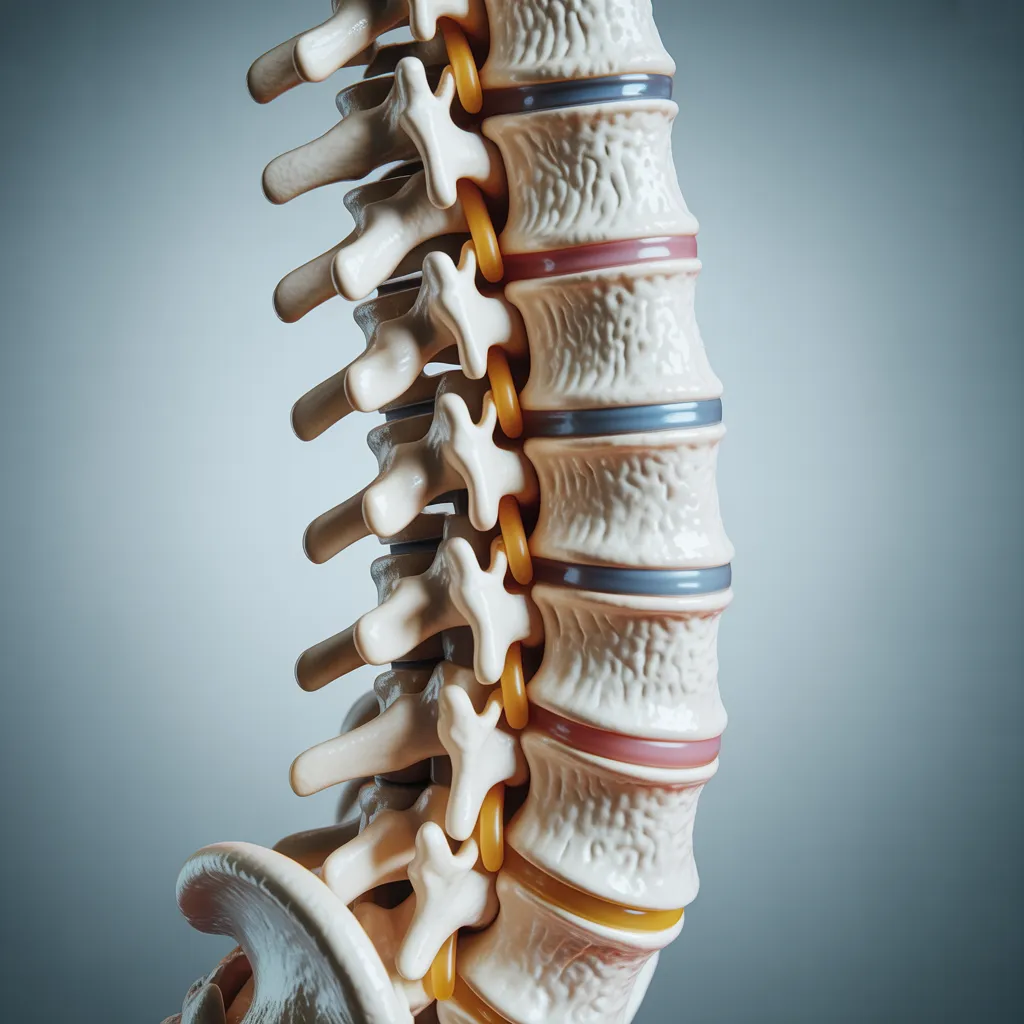
Successful Solutions for Long-term Back Pain
Effective therapies for persistent lower back discomfort include a variety of methods, with physical therapy and mind-body techniques standing out. Physical therapy can enhance mobility and strength, while holistic wellness methods encourage relaxation and pain management. Together, these approaches provide an all-encompassing strategy for alleviating discomfort and improving quality of life.
Advantages of Physical Therapy
Physical therapy delivers plentiful advantages for individuals struggling with chronic back pain. It emphasizes developing range of motion, strength, and elasticity through personalized exercises and techniques. By fixing muscular inequities and enhancing core balance, physical therapy facilitates alleviating pain and block extra harm. In addition, professionals employ manual therapy, modalities like heat or ultrasound, and education to strengthen clients in managing their state. This comprehensive approach not only addresses physical helpful tips issues but also supports overall welfare. Regular sessions can produce improved posture and purposeful movement, facilitating individuals to take part in daily tasks with more ease. In essence, physical therapy acts as an important aspect in the thorough treatment of chronic back pain, fostering long-term recovery and enhanced quality of life.
Mind-Body Tools
Integrating mind-body techniques into the therapeutic management of back pain can greatly enhance overall healing and well-being. These modalities center on the interplay between mental and physical states, inducing calm and reducing stress. Methods involving mindfulness meditation, yoga, and guided imagery have shown promise in mitigating discomfort and enhancing movement capacity. Research confirms that these interventions can modify pain sensation and enhance emotional resilience, empowering individuals to manage their symptoms more effectively. By nurturing optimistic perspectives and fostering self-awareness, mind-body techniques can augment traditional therapies, leading to improved outcomes. Ultimately, incorporating these modalities into an all-encompassing pain management plan offers a holistic approach that addresses both the physical and emotional aspects of chronic back pain.
How Consistent Physical Activity Facilitates Long-term Back Ache Healing
Physical exercise plays an crucial role in the healing from chronic back pain by targeting core muscle strength and enhancing overall range of motion and movement. Strengthening core muscles provides important stability to the spine, while improved flexibility allows for greater movement without discomfort. Together, these benefits significantly aid to pain reduction and enhanced functional ability.
Enhancing Core Muscle Groups
Building central muscle strength is essential for reducing chronic back pain. A powerful core provides stability and support to the spine, alleviating strain on back muscles. Targeted exercises help to boost muscle balance and coordination, which are crucial for maintaining good posture. This can lead to less discomfort during everyday activities and improve overall functional mobility. Core strength workouts may include exercises like planks, bridges, and abdominal routines that target the muscles around the lumbar area. Regular practice not only helps in pain relief but also develops resilience to future injuries. Therefore, a balanced exercise program focusing on core strength can significantly aid the recovery of those with chronic back pain.
Strengthening Flexibility and Mobility
While persistent spinal discomfort often restricts movement, improving range of motion and movement capacity through targeted exercises can significantly facilitate recovery. Flexibility programs, such as Pilates or yoga, enable people to enhance their flexibility range, decreasing stiffness in the back and surrounding muscles. Including gentle movements, like swimming or walking, promotes blood flow and promotes recovery. These exercises not only alleviate pain but also encourage improved alignment, which is crucial for sustained comfort. As flexibility improves, individuals may find it easier to engage in routine activities, thereby boosting overall physical activity. Consistent practice of flexibility-enhancing exercises can lead to a more resilient body, ultimately fostering a more active and fulfilling lifestyle.
In what ways can mindfulness transform the perception of chronic back pain? Mindfulness practices, including mindful meditation and intentional breathing, can significantly reshape an individual's interpretation of pain. By promoting a impartial awareness of bodily sensations, mindfulness assists patients in detaching from the emotional burden often linked with chronic pain. This mental adjustment may reduce anxiety and boost overall pain tolerance.
Studies suggest that participating in mindfulness can lead to reduced pain intensity and enhanced coping strategies. As individuals learn to observe their pain without immediate reaction, they often experience lessened suffering. Additionally, mindfulness fosters a sense of control, empowering individuals to handle their pain rather than feeling overwhelmed by it.
Integrating awareness into daily routines can elevate quality of life for those living with chronic back pain. Ultimately, this technique not only handles discomfort relief but also strengthens emotional resilience and mental well-being.
Lifestyle Modifications to Facilitate Persistent Spinal Discomfort Alleviation
Adopting intentional life modifications can greatly improve management of persistent back pain. Regular exercise, personalized to personal abilities, helps develop the muscles supporting the spine. Incorporating low-impact activities, like swimming or walking, can enhance flexibility and reduce stiffness. Keeping up a healthy weight is also vital, as excess pounds can strain the back.
Moreover, ergonomic adjustments at home and work, including employing supportive seating and appropriate desk elevations, can reduce discomfort. Maintaining proper posture while sitting and standing further promotes spinal health.
Nutrition is important as well; a well-rounded eating plan abundant with anti-inflammatory foods can contribute to overall well-being. Finally, prioritizing sleep quality and establishing a regular sleep routine can aid in recovery. By embracing these lifestyle changes, individuals can build a helpful framework for addressing chronic back pain, ultimately improving their comfort and mobility.
Alternative Treatments That Can Assist with Chronic Back Pain
Considering non-conventional options can provide patients struggling with continuous back ache additional routes toward ease. Numerous individuals turn to acupuncture, which entails inserting thin needles at targeted locations throughout the body, potentially alleviating soreness and encouraging healing. Chiropractic care represents another popular option, prioritizing vertebral positioning and treatment to increase flexibility and minimize ache.
Mind-body exercises such as yoga and tai chi can likewise prove advantageous, as they highlight gentle movements and stress reduction, which may boost overall well-being. Herbal remedies, like turmeric and ginger, have displayed anti-inflammatory properties that could help alleviate pain.
Additionally, therapeutic massage may supply quick comfort by relaxing tense muscles and improving blood flow. Since these complementary therapies can support conventional approaches, their efficacy varies among people. It is important for those considering these options to conduct in-depth research and speak to medical experts to determine the most appropriate approaches for their unique needs.
How do you determine when it's appropriate to get Professional Care for Ongoing Aches?
Figuring out when to obtain professional help for chronic pain can be difficult for many individuals. A basic recommendation is to consult a healthcare provider if pain persists beyond a few weeks in spite of home treatment. Additionally, individuals should get help if the pain worsens, interferes with daily activities, or is accompanied by other concerning symptoms, such as numbness, weakness, or unexplained weight loss.
Professional support is essential when over-the-counter medications fail to offer alleviation or if patients deal with significant emotional distress due to their suffering. Early intervention can avert further complications and enhance life satisfaction. Medical specialists can supply individualized care plans, incorporating therapeutic exercise, medication, or referrals to specialists. In conclusion, detecting the markers that suggest the demand for clinical support can result in more effective treatment of enduring pain and a return to a increasingly dynamic and rewarding existence.
Commonly Asked Questions
Is Continuous Lower Back Strain Genetic?
Chronic back pain can have hereditary factors, as inherited traits may influence an individual's susceptibility to conditions like arthritis or disc degeneration. Hereditary background may be instrumental in the onset of chronic pain.
What Time Does It Typically Take to See Improvements?
Improvements in chronic back pain typically appear within a few weeks to several months, depending on the therapeutic method, individual health factors, and adherence to prescribed therapies, as well as behavioral modifications implemented.
What Particular Diets Can Benefit Back Pain?
Some diets containing anti-inflammatory foods such as fruits, vegetables, whole grains, and omega-3 fatty acids can assist in easing back pain. Proper hydration and sustaining a healthy weight are likewise beneficial for overall spinal health.
What Position Does Sleep Serve in Back Pain Recovery?
Getting sufficient sleep contributes significantly to back pain rehabilitation by aiding restoration, reducing inflammation, and boosting overall wellness. Proper sleep gives the body the ability to mend itself, therefore increasing mobility and easing discomfort during everyday routines.
Will Stress Aggravate Long-term Back Pain Signs?
Yes, stress can aggravate chronic back pain symptoms. Elevated muscle tension in muscles, enhanced pain sensitivity to aching, and the emotional toll of stress can all result in escalating pain, making proper management of both discomfort and stress vital.